Resource · De-identified sample
Sample Demand Letter for Personal Injury
A complete, de-identified personal injury demand letter and demand package, exactly as ApexDemands delivers them to law firms: a 16-page time-limited policy-limits demand for a motor vehicle collision, the charges and diagnoses summary spreadsheet, and the exhibit index. Read it with annotations, download the files, or have one built for your own case free.
No credit card. Upload one real case; the complete package arrives in 24 hours. Or download the PDF, Word and Excel files.
- 16
- pages, as delivered
- 88
- charge lines coded and categorized
- 19
- diagnoses with ICD-10 codes
- 26
- margin annotations
Download
Download the Sample Personal Injury Demand Package
- Demand letter (PDF)The 16-page letter exactly as it would be delivered, exported from Word.505 KB
- Demand letter (Word)The fully editable .docx, ready to adapt to your firm’s letterhead and case.880 KB
- Billing and diagnosis breakdown (Excel)Every charge line and diagnosis, coded and categorized by relation to the collision.12 KB
Illustrative sample. The client, insured, insurer, providers, adjuster and firm are fictional placeholders; the structure, clinical detail and arithmetic mirror a delivered package. Exhibit materials and the case hotsheet are omitted. Not legal advice; statutory references and deadline requirements vary by jurisdiction.
The five deliverables in every package
A demand letter alone rarely moves an adjuster. The package is what gets evaluated.
Ready-to-send demand letter (PDF)
On your firm’s letterhead, with the liability narrative, chronology, coded injuries, itemized specials and the demand.
Editable Word version (.docx)
The same letter as a fully editable document so your attorney can make final changes before it goes out.
Bookmarked, indexed exhibits
Bills, records, the crash report, photographs and wage documentation, with optional HIPAA-compliant redaction of insurance references and paid amounts.
Charges and diagnoses summary spreadsheet
Every charge line item with CPT code, date and provider, and every diagnosis with its ICD-10 code, each categorized by relation to the incident, with totals including and excluding unrelated care.
Case hotsheet
A document for the lawyer and case manager, kept out of what the adjuster receives. It gathers prior injuries and conditions, surgical history, treatment gaps, the client’s compliance issues, evidence of drug or alcohol use or smoking, disparaging information such as prior collisions, missing accident-related treatment that is not in the available records, and any other important case notes.
See how Apex builds each demand package and the flat-rate demand letter pricing.
Overview
What the Sample Demand Letter Includes
Annotated sample
Annotated Demand Letter Example
Opening, Recipient and Re: Block
[Month] [Day], [Year]
SENT VIA EMAIL [Adjuster Email]
Adjuster Name
Sample Insurance Company
[Insurer Mailing Address]
[City, TX ZIP]
| Our Client: | Jane Doe |
| Your Insured: | John Roe |
| Date of Loss: | 2026-02-26 |
| Claim No.: | SAMPLE-CLAIM-0001 |
| Policy No.: | SAMPLE-POLICY-0001 |
| BI Policy Limit: | $250,000 per person |
TIME-LIMITED POLICY-LIMITS SETTLEMENT DEMAND
FOR SETTLEMENT PURPOSES ONLY
Dear Adjuster Name,
Our firm represents Jane Doe concerning the injuries she suffered in the motor vehicle collision caused by your insured on February 26, 2026. The purpose of this letter is to make a clear and unequivocal offer to resolve her bodily-injury claim for the full $250,000 per-person limits available under the above policy. Liability is clear, the medical and wage-loss documentation establishes substantial compensatory damages, and the reasonable value of Ms. Doe's claim materially exceeds the available policy limits. This demand is made to provide your insured a meaningful opportunity to resolve the claim within the available limits before suit.
This evaluation is submitted for settlement purposes only. None of the information provided in this offer shall be construed as a waiver of our client's physician-patient privilege, right to privacy, or any other rights or privileges. The enclosed records and billing materials are provided for claim evaluation and settlement purposes and are not intended as a blanket authorization for disclosure or use beyond this claim.
I. THE COLLISION
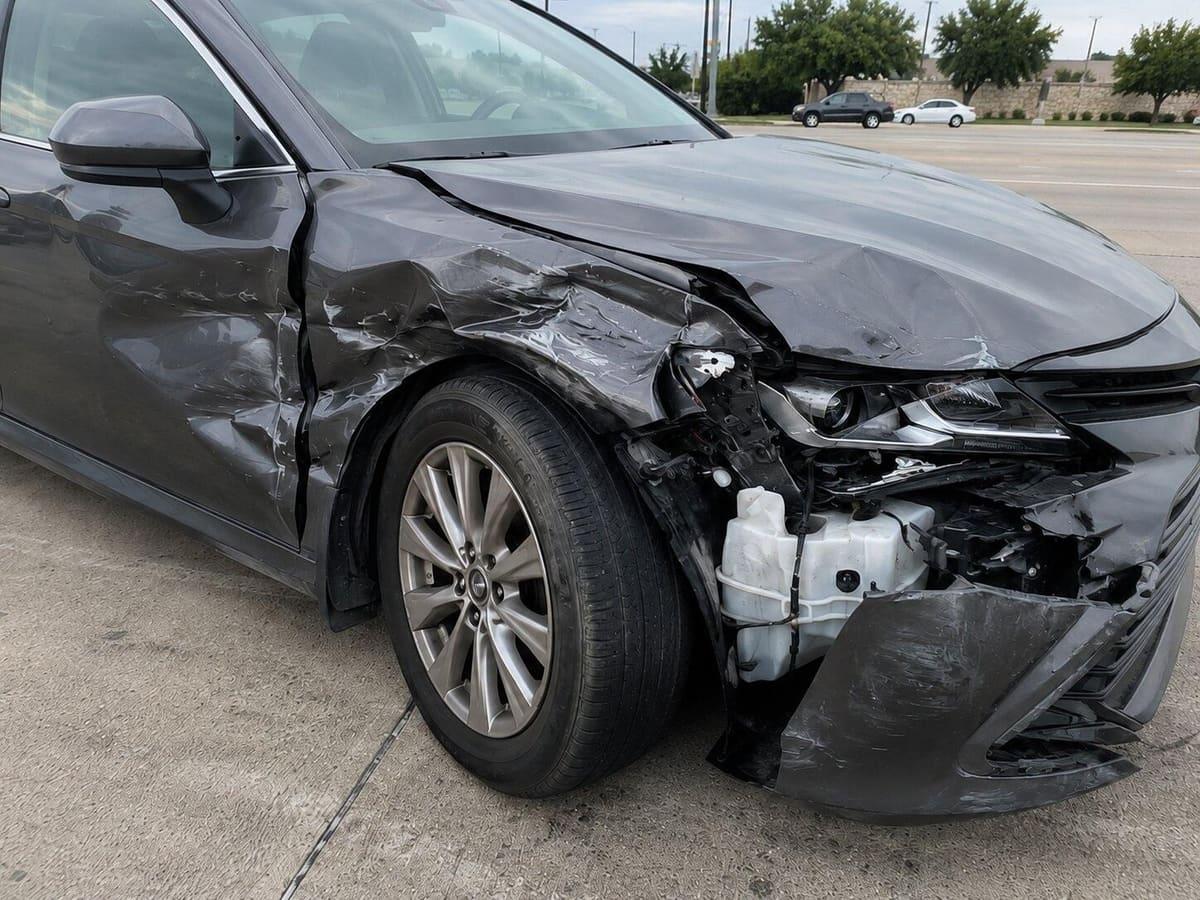
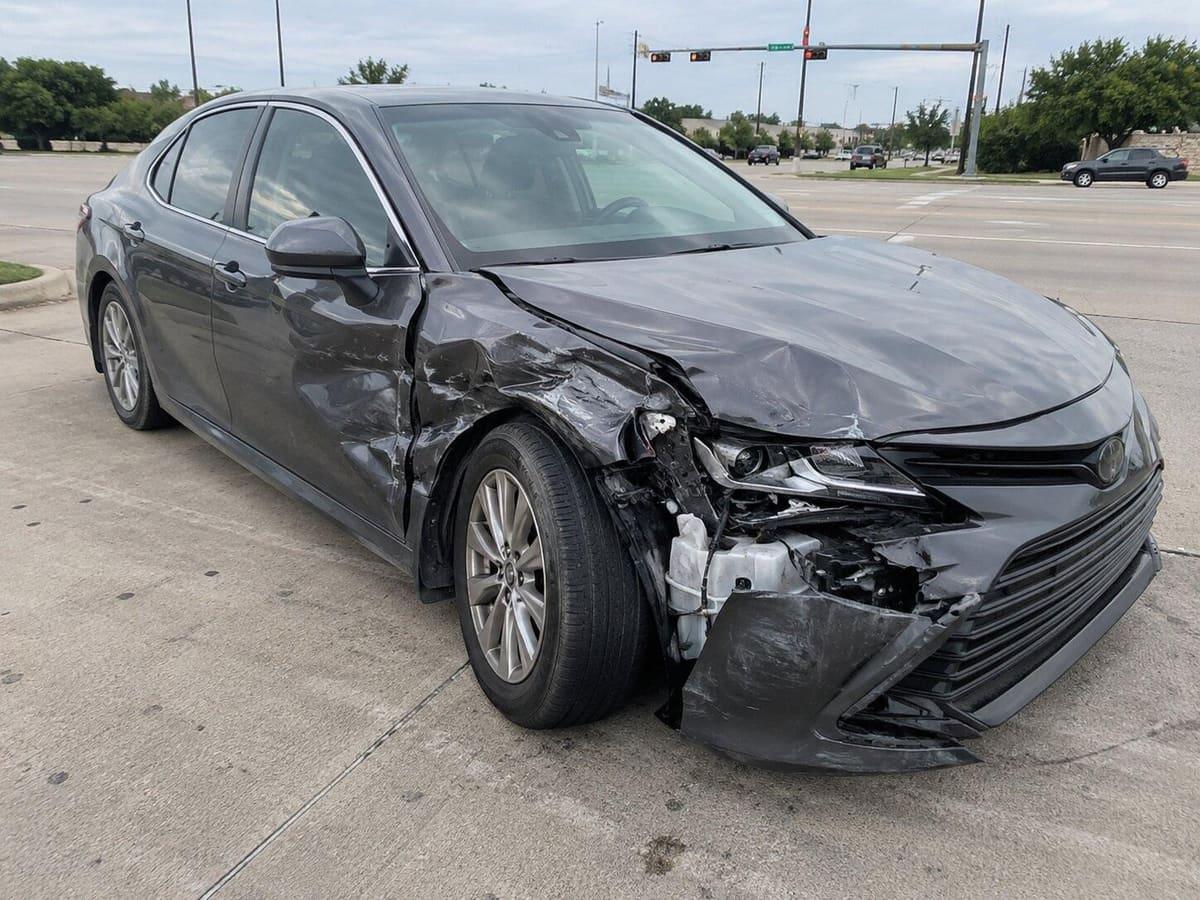
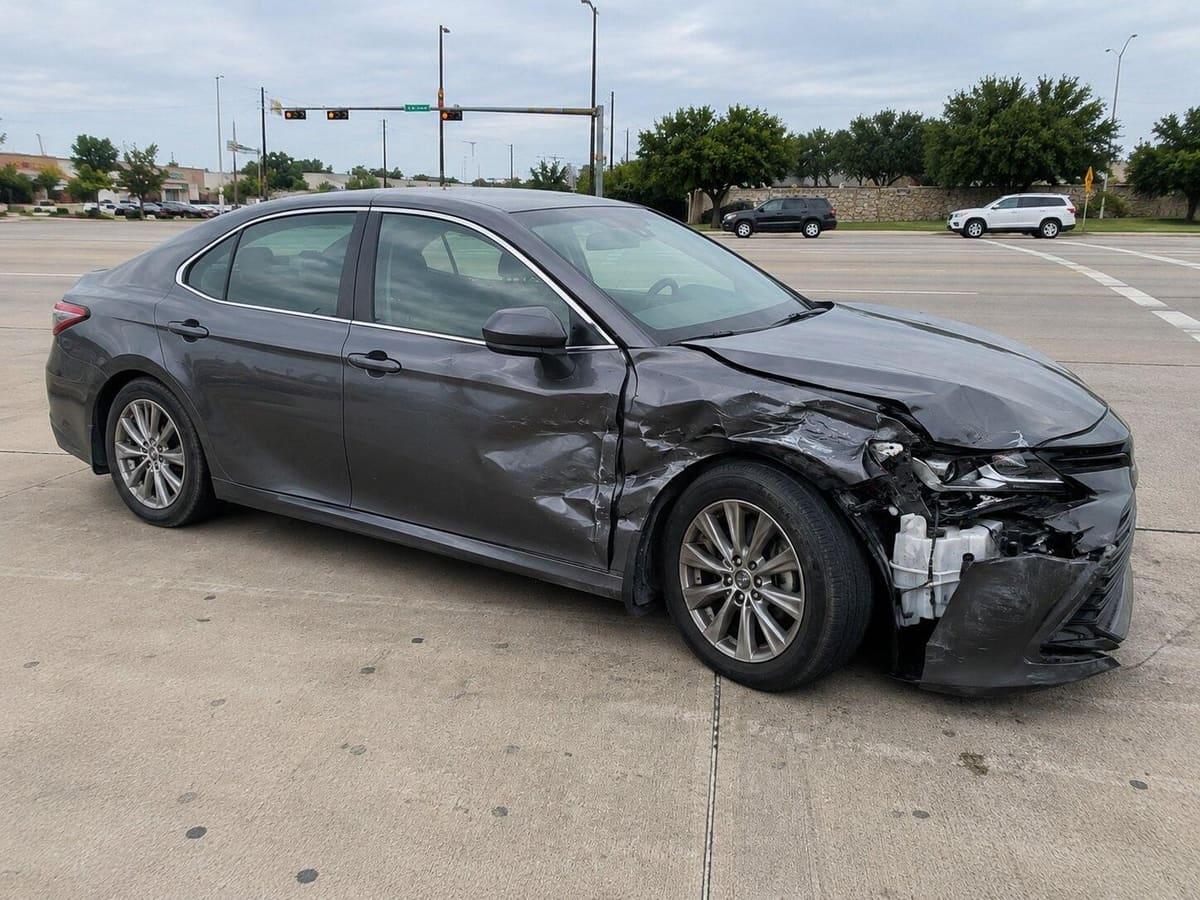
This case arises out of a violent automobile collision that occurred on February 26, 2026, at approximately 6:20 p.m., at the signal-controlled intersection of Belt Line Road and Midway Road in Addison, Dallas County, Texas. Ms. Doe was operating her 2023 dark-gray Toyota Camry westbound on Belt Line Road and entered the intersection to turn left onto southbound Midway Road on a protected green left-turn arrow. Your insured, John Roe, was operating a 2019 Ford F-150 eastbound on Belt Line Road. Despite facing a steady red traffic signal, Mr. Roe continued into the intersection and struck the front passenger-side corner and passenger-side front quarter of Ms. Doe's vehicle. The impact rotated the Camry and forced it toward the curb. Both vehicles required removal from the scene.
The crash investigation further documented facts that substantially aggravate the exposure in this matter. Mr. Roe admitted consuming alcohol before driving. Officers observed indicia of intoxication, and post-collision breath testing recorded an alcohol concentration of approximately 0.164. He was arrested for driving while intoxicated. An open alcoholic-beverage container was also documented inside his vehicle. These facts are material not only to liability but to the exemplary-damages exposure discussed below.
The following photographs show the condition of Ms. Doe's vehicle after the collision and are consistent with a substantial passenger-front impact:
II. LIABILITY
We view this case as one of 100% liability against your insured. Texas Transportation Code § 544.007(c) permits a driver facing a green arrow to cautiously enter the intersection and move in the direction indicated while yielding to traffic lawfully using the intersection. Section 544.007(d), by contrast, requires a driver facing only a steady red signal to stop and remain stopped until an indication to proceed is shown, subject only to the limited turns permitted after stopping and yielding. Ms. Doe entered on a protected green arrow. Mr. Roe entered straight through the intersection against the red signal. His statutory violation and failure to maintain control were direct and proximate causes of the collision.
The available evidence also forecloses the anticipated comparative-responsibility defense. The signal sequence and witness information corroborate Ms. Doe's protected movement. The point and severity of impact are consistent with Mr. Roe entering late and at speed after Ms. Doe had already committed to the turn. There is no evidence that Ms. Doe was speeding, distracted, or otherwise operating unsafely. A motorist proceeding on a protected arrow cannot reasonably be expected to anticipate that an intoxicated driver will disregard a solid red signal and enter the intersection directly into her path.
Mr. Roe's alcohol impairment further strengthens the liability case. Texas Penal Code § 49.04 prohibits operating a motor vehicle in a public place while intoxicated, and Texas Penal Code § 49.01(2)(B) defines intoxication to include an alcohol concentration of 0.08 or more. The reported 0.164 result was more than twice that statutory threshold. The combination of intoxicated driving and a red-signal violation presents compelling evidence that your insured's conduct caused this collision and the resulting injuries.
III. MEDICAL CHRONOLOGY
Jane Doe is a 42-year-old woman who, before this collision, worked full-time in a physically demanding commercial facilities position and managed her household independently. The collision produced immediate neck, thoracic, low-back, headache, cognitive, and anxiety symptoms. Her treatment has included emergency evaluation, medication, active rehabilitation, diagnostic imaging, interventional pain care, cognitive rehabilitation, and trauma-focused psychological treatment. The following summarizes her post-collision course:
February 26, 2026: Ms. Doe presented to Sample Medical Center on the date of loss with neck pain, upper- and low-back pain, headache, nausea, dizziness, and left shoulder soreness after the side/front-quarter impact. She rated her pain 8/10. Examination documented cervical and lumbar tenderness with painful range of motion and paraspinal spasm. CT imaging of the head and cervical spine showed no acute fracture or intracranial hemorrhage. She was diagnosed with acute cervical strain, lumbosacral strain, post-traumatic headache, and concussion without loss of consciousness. She was discharged with anti-inflammatory medication, muscle-relaxant therapy, activity precautions, and instructions for close outpatient follow-up.
February 27, 2026: Ms. Doe presented to Sample Injury & Rehabilitation Center for a comprehensive post-collision evaluation with chief complaints of neck, upper-back, and lumbosacral pain, headaches, brain fog, sleep disruption, and intermittent paresthesias into the left upper extremity. She reported pain of 8/10 and difficulty bending, lifting, turning her head, driving, sleeping, and completing her normal work tasks. Examination demonstrated restricted cervical and lumbar motion, positive cervical compression and facet-loading maneuvers, thoracic hypertonicity, lumbar instability, bilateral sacroiliac tenderness, and pain with provocative hip and lumbar testing. Diagnoses included cervical strain, cervicalgia, thoracic strain, lumbosacral strain, sacroiliitis, concussion, post-concussion syndrome, and bilateral occipital neuralgia. She was placed on modified work duty.
March 2, 2026: At follow-up with Sample Injury & Rehabilitation Center, the emergency imaging was reviewed along with office radiographs. The provider documented persistent loss of normal cervical lordosis, muscle guarding, and early degenerative disc-height changes at C5-C7 and L5-S1. Because Ms. Doe had been functioning at full duty without active spine treatment before the crash, the provider considered the degenerative findings pre-existing but clinically aggravated and made symptomatic by the collision. A plan was established for physical therapy, occupational/cognitive rehabilitation, home exercise, TENS therapy, and cervical and lumbar MRI studies if symptoms persisted. Modified-duty restrictions continued.
March 3, 2026: Ms. Doe underwent a physical therapy initial evaluation at Sample Injury & Rehabilitation Center. She reported worst pain of 9/10, headaches, sleep interruption, fear and anxiety while driving, numbness and tingling in her hands, and difficulty looking over her shoulders. Objective findings included forward-head posture, decreased cervical stability, weakness of the scapular stabilizers and rotator cuff musculature, hypomobility in the upper cervical and thoracic segments, and painful lumbar movement. Her treatment plan emphasized therapeutic exercise, neuromuscular re-education, manual therapy, graded functional activity, and return-to-work tolerance.
March 5-30, 2026: Ms. Doe attended a regular course of physical therapy and rehabilitation at Sample Injury & Rehabilitation Center. Treatment included manual therapy, therapeutic exercise, therapeutic activities, neuromuscular re-education, postural retraining, and a home exercise program. Pain frequently increased to 7-8/10 with activity. She continued to report difficulty sleeping, driving, turning her head, bending, pushing, pulling, lifting, carrying, and performing the repetitive physical demands of her job. She was also fitted with an LSO lumbar brace, a cervical support collar for limited therapeutic use, and a TENS unit for home pain management.
March 6, 2026: Ms. Doe underwent an occupational/cognitive rehabilitation evaluation because of persistent post-concussive symptoms. She described confusion, slowed processing, difficulty focusing, forgetfulness, dizziness with positional changes, and daily headaches. ACE-III cognitive testing produced a score of 74/100, with deficits most apparent in attention, verbal fluency, memory retrieval, and visuospatial tasks. The clinician recommended cognitive pacing strategies, structured task management, sleep hygiene, and continued monitoring of post-concussive symptoms.
March 27, 2026: Cervical and lumbar MRI studies were obtained at Sample Diagnostic Imaging. The cervical MRI demonstrated straightening of the normal cervical lordosis, a small broad-based disc protrusion at C5-6, and a disc bulge at C6-7 with mild foraminal narrowing. The lumbar MRI demonstrated mild multilevel degenerative changes, facet hypertrophy at L4-5, and a small central protrusion with annular fissuring at L5-S1. No acute fracture was identified. The treating providers considered the degenerative component pre-existing, but correlated the new post-collision symptoms, muscle spasm, restricted motion, and facet-mediated pain with a traumatic aggravation of previously non-disabling changes.
April 29, 2026: Ms. Doe presented to Sample Pain & Spine Institute for an interventional pain consultation. She described persistent posterior neck, upper-back, and low-back pain as sharp, tight, and throbbing, with severity up to 8/10. Examination showed painful cervicothoracic and lumbar range of motion, taut paraspinal musculature, positive lumbar facet loading, sacroiliac tenderness, and a positive straight-leg raise for back pain. The provider diagnosed cervicalgia, lumbar strain, lumbar facet-mediated pain, and sacroiliac pain, and expressly related the symptomatic condition to the February 26 collision. Diagnostic lumbar medial branch blocks were recommended.
May 5, 2026: Ms. Doe underwent psychological and neurobehavioral testing at Sample Behavioral Health because driving anxiety, intrusive recollections, sleep disturbance, and cognitive complaints had persisted despite improvement in some physical symptoms.
May 7, 2026: At Sample Pain & Spine Institute, Ms. Doe underwent fluoroscopically guided bilateral lumbar medial branch blocks at L3-L4, L4-L5, and L5-S1 using local anesthetic and corticosteroid medication. She tolerated the procedure without complication and reported substantial temporary reduction in her axial low-back pain, supporting a facet-mediated pain generator.
May 15, 2026: At post-procedure follow-up, Ms. Doe reported approximately 70% temporary improvement in low-back pain after the medial branch block, followed by recurrence with bending, prolonged standing, and work activity. The provider reaffirmed collision-related causation and discussed a confirmatory block followed by radiofrequency ablation if the response remained reproducible.
May 20, 2026: Ms. Doe completed a comprehensive psychological evaluation at Sample Behavioral Health. She described intrusive memories, nightmares, anxiety and freezing while driving, avoidance of unnecessary driving, irritability, hypervigilance, diminished interest in activities, fatigue, poor concentration, and disrupted sleep. Standardized testing produced a PCL-5 score of 49, a GAD-7 score of 18, and a PHQ-9 score of 14. The psychologist diagnosed post-traumatic stress disorder with associated anxiety and depressive symptoms and identified the motor vehicle collision as the precipitating traumatic event. A course of trauma-focused psychotherapy was recommended.
May 28, 2026: Sample Pain & Spine Institute reevaluated Ms. Doe for persistent lumbar and sacroiliac pain. She remained functionally limited despite rehabilitation and the temporary benefit from the first diagnostic block. The plan included a confirmatory medial branch block, possible lumbar radiofrequency ablation, and bilateral sacroiliac joint injections if symptoms continued.
June 1, June 8, June 22, and July 6, 2026: Ms. Doe participated in individual trauma-focused psychotherapy at Sample Behavioral Health. Sessions addressed accident-related re-experiencing, autonomic arousal while driving, avoidance, sleep disruption, irritability, grounding techniques, paced breathing, and gradual return to independent driving. She improved in her use of coping skills but continued to experience clinically significant anxiety and sleep disturbance.
July 13, 2026: Sample Injury & Rehabilitation Center completed a rehabilitation discharge/MMI evaluation. Ms. Doe had improved from her acute presentation but continued to report neck pain of approximately 4/10 and low-back pain of approximately 5/10 with prolonged activity. Range of motion and work tolerance had improved but had not returned to baseline. The provider concluded that she had reached a plateau and maximum medical improvement from active conservative rehabilitation, while specifically noting that interventional pain care and behavioral-health treatment remained medically appropriate.
July 16, 2026: At her most recent pain-management follow-up, Ms. Doe continued to report activity-dependent lumbar pain, intermittent cervical pain and headaches, and difficulty tolerating repetitive lifting and prolonged standing. The provider recommended proceeding with the second diagnostic lumbar block and, if again successful, bilateral radiofrequency ablation. Continued psychotherapy and a limited maintenance rehabilitation program were also recommended. Her prognosis was characterized as guarded-to-fair for complete resolution but favorable for additional functional improvement with the recommended care.
IV. INJURIES + ICD-10 CODES
The following diagnoses and conditions have been documented in connection with the collision:
| Injuries and Conditions: | Diagnosis Code |
|---|---|
| Cervical strain | S16.1XXA |
| Cervicalgia | M54.2 |
| Thoracic strain | S29.012A |
| Pain in thoracic spine | M54.6 |
| Lumbosacral strain | S39.012A |
| Low back pain | M54.50 |
| Lumbar radiculopathy / radiating lumbar symptoms | M54.16 |
| Bilateral sacroiliitis | M46.1 |
| Bilateral occipital neuralgia | M54.81 |
| Concussion without loss of consciousness | S06.0X0A |
| Post-concussion syndrome | F07.81 |
| Post-traumatic stress disorder | F43.10 |
| Generalized anxiety | F41.1 |
| Depressive symptoms / depressive disorder | F32.A |
| Sleep disturbance / insomnia | G47.00 |
| Paravertebral muscle spasm | M62.838 |
| Aggravation of cervical and lumbar degenerative disc disease | M50.30 / M51.36 |
Pre-Existing Condition and Causation
The cervical and lumbar imaging includes mild degenerative findings that pre-date the collision. Those findings do not explain away Ms. Doe's post-collision condition. Before February 26, 2026, she was working full duty in a physically demanding job, driving independently, maintaining her household, and was not engaged in active spine treatment. The records reflect only a remote episode of self-limited low-back discomfort several years earlier, with no sustained restrictions or interventional care. The collision produced an immediate and materially different symptom pattern involving acute neck and low-back pain, headaches, post-concussive complaints, new functional restrictions, and later psychological trauma.
Her treating providers repeatedly correlated the onset and persistence of symptoms with the collision and treated the degenerative findings as conditions that were rendered symptomatic or aggravated by trauma. The temporal relationship, objective muscle spasm and range-of-motion loss, MRI findings in the symptomatic regions, reproducible facet-mediated pain, response to diagnostic block, and absence of comparable pre-collision functional limitation all support traumatic causation and aggravation.
V. ECONOMIC DAMAGES
A. Medical Expenses
The following represents Ms. Doe's medical expenses to date:
| CPT Code | Charges Description | Date | Amount | |||
|---|---|---|---|---|---|---|
| Healthcare Provider: SAMPLE MEDICAL CENTER | Healthcare Provider: SAMPLE MEDICAL CENTER | |||||
| 99285 | Emergency Department Visit, High Complexity02/26/2026 | 02/26/2026 | $3,250.00 | |||
| 70450 | CT Head/Brain Without Contrast02/26/2026 | 02/26/2026 | $1,650.00 | |||
| 72125 | CT Cervical Spine Without Contrast02/26/2026 | 02/26/2026 | $1,850.00 | |||
| 73030 | Radiologic Examination, Shoulder02/26/2026 | 02/26/2026 | $450.00 | |||
| 71046 | Radiologic Examination, Chest, 2 Views02/26/2026 | 02/26/2026 | $400.00 | |||
| 96372 | Therapeutic/Diagnostic Injection02/26/2026 | 02/26/2026 | $325.00 | |||
| J1885 | Injection, Ketorolac Tromethamine02/26/2026 | 02/26/2026 | $75.00 | |||
| L0120 | Cervical Orthosis02/26/2026 | 02/26/2026 | $325.00 | |||
| 99070 | Supplies and Materials02/26/2026 | 02/26/2026 | $870.00 | |||
| Subtotal for SAMPLE MEDICAL CENTER: | Subtotal for SAMPLE MEDICAL CENTER: | $9,195.00 | ||||
| Healthcare Provider: SAMPLE INJURY & REHABILITATION CENTER | Healthcare Provider: SAMPLE INJURY & REHABILITATION CENTER | |||||
| 99080 | Special Reports/Forms02/27/2026 | 02/27/2026 | $750.00 | |||
| 99205 | New Patient Office/Outpatient Visit, High Complexity02/27/2026 | 02/27/2026 | $2,299.50 | |||
| 72070 | Radiologic Examination, Spine, Thoracic02/27/2026 | 02/27/2026 | $307.20 | |||
| 72110 | Radiologic Examination, Lumbosacral Spine, Minimum 4 Views02/27/2026 | 02/27/2026 | $483.00 | |||
| 72052 | Radiologic Examination, Cervical Spine, Complete02/27/2026 | 02/27/2026 | $575.80 | |||
| 99215 | Established Patient Office Visit, High Complexity03/02/2026 | 03/02/2026 | $1,866.20 | |||
| 99080 | Special Reports/Forms03/02/2026 | 03/02/2026 | $750.00 | |||
| 97161 | Physical Therapy Evaluation, Low Complexity03/03/2026 | 03/03/2026 | $955.60 | |||
| 97530 | Therapeutic Activities03/05/2026 | 03/05/2026 | $338.40 | |||
| 97112 | Neuromuscular Re-Education03/05/2026 | 03/05/2026 | $317.70 | |||
| 97110 | Therapeutic Exercises03/05/2026 | 03/05/2026 | $282.20 | |||
| 97140 | Manual Therapy Techniques03/05/2026 | 03/05/2026 | $269.20 | |||
| 97165 | Occupational Therapy Evaluation, Low Complexity03/06/2026 | 03/06/2026 | $980.10 | |||
| 97530 | Therapeutic Activities03/09/2026 | 03/09/2026 | $338.40 | |||
| 97112 | Neuromuscular Re-Education03/09/2026 | 03/09/2026 | $317.70 | |||
| 97110 | Therapeutic Exercises03/09/2026 | 03/09/2026 | $282.20 | |||
| 97140 | Manual Therapy Techniques03/09/2026 | 03/09/2026 | $269.20 | |||
| 97530 | Therapeutic Activities03/11/2026 | 03/11/2026 | $338.40 | |||
| 97112 | Neuromuscular Re-Education03/11/2026 | 03/11/2026 | $317.70 | |||
| 97110 | Therapeutic Exercises03/11/2026 | 03/11/2026 | $282.20 | |||
| 97140 | Manual Therapy Techniques03/11/2026 | 03/11/2026 | $269.20 | |||
| 97530 | Therapeutic Activities (2 Units)03/12/2026 | 03/12/2026 | $676.80 | |||
| 97112 | Neuromuscular Re-Education03/12/2026 | 03/12/2026 | $317.70 | |||
| 97110 | Therapeutic Exercises03/12/2026 | 03/12/2026 | $282.20 | |||
| L0650 | Lumbar-Sacral Orthosis (LSO)03/12/2026 | 03/12/2026 | $9,046.60 | |||
| 97112 | Neuromuscular Re-Education (2 Units)03/16/2026 | 03/16/2026 | $635.40 | |||
| 97530 | Therapeutic Activities03/16/2026 | 03/16/2026 | $338.40 | |||
| 97110 | Therapeutic Exercises03/16/2026 | 03/16/2026 | $282.20 | |||
| 97112 | Neuromuscular Re-Education (2 Units)03/18/2026 | 03/18/2026 | $635.40 | |||
| 97530 | Therapeutic Activities03/18/2026 | 03/18/2026 | $338.40 | |||
| 97110 | Therapeutic Exercises03/18/2026 | 03/18/2026 | $282.20 | |||
| 97112 | Neuromuscular Re-Education (2 Units)03/19/2026 | 03/19/2026 | $635.40 | |||
| 97530 | Therapeutic Activities03/19/2026 | 03/19/2026 | $338.40 | |||
| 97110 | Therapeutic Exercises03/19/2026 | 03/19/2026 | $282.20 | |||
| L0180 | Cervical Multiple Post Collar03/23/2026 | 03/23/2026 | $4,289.50 | |||
| 97530 | Therapeutic Activities (2 Units)03/23/2026 | 03/23/2026 | $676.80 | |||
| 97112 | Neuromuscular Re-Education03/23/2026 | 03/23/2026 | $317.70 | |||
| 97110 | Therapeutic Exercises03/23/2026 | 03/23/2026 | $282.20 | |||
| 97112 | Neuromuscular Re-Education (2 Units)03/25/2026 | 03/25/2026 | $635.40 | |||
| 97530 | Therapeutic Activities03/25/2026 | 03/25/2026 | $338.40 | |||
| 97110 | Therapeutic Exercises03/25/2026 | 03/25/2026 | $282.20 | |||
| 97112 | Neuromuscular Re-Education (2 Units)03/26/2026 | 03/26/2026 | $635.40 | |||
| 97530 | Therapeutic Activities03/26/2026 | 03/26/2026 | $338.40 | |||
| 97110 | Therapeutic Exercises03/26/2026 | 03/26/2026 | $282.20 | |||
| E0730 | TENS Unit, Four Or More Leads03/30/2026 | 03/30/2026 | $707.70 | |||
| A4595 | Electrical Stimulator Supplies03/30/2026 | 03/30/2026 | $122.50 | |||
| 97530 | Therapeutic Activities (2 Units)03/30/2026 | 03/30/2026 | $676.80 | |||
| 97112 | Neuromuscular Re-Education03/30/2026 | 03/30/2026 | $317.70 | |||
| 97110 | Therapeutic Exercises03/30/2026 | 03/30/2026 | $282.20 | |||
| 99214 | Established Patient Office/Outpatient Re-Evaluation07/13/2026 | 07/13/2026 | $450.00 | |||
| Subtotal for SAMPLE INJURY & REHABILITATION CENTER: | Subtotal for SAMPLE INJURY & REHABILITATION CENTER: | $37,316.30 | ||||
| Healthcare Provider: SAMPLE DIAGNOSTIC IMAGING | Healthcare Provider: SAMPLE DIAGNOSTIC IMAGING | |||||
| 72141 | MRI Cervical Spine Without Contrast03/27/2026 | 03/27/2026 | $2,425.00 | |||
| 72148 | MRI Lumbar Spine Without Contrast03/27/2026 | 03/27/2026 | $2,425.00 | |||
| Subtotal for SAMPLE DIAGNOSTIC IMAGING: | Subtotal for SAMPLE DIAGNOSTIC IMAGING: | $4,850.00 | ||||
| Healthcare Provider: SAMPLE PAIN & SPINE INSTITUTE | Healthcare Provider: SAMPLE PAIN & SPINE INSTITUTE | |||||
| 64493 | Injection, Diagnostic/Therapeutic Agent, Paravertebral Facet Joint, Lumbar/Sacral, 1 Level05/07/2026 | 05/07/2026 | $783.60 | |||
| 64494 | Injection, Diagnostic/Therapeutic Agent, Paravertebral Facet Joint, Lumbar/Sacral, 2nd Level05/07/2026 | 05/07/2026 | $294.75 | |||
| 99203 | Office/Outpatient New, Low MDM, 30-44 Minutes05/07/2026 | 05/07/2026 | $2,050.00 | |||
| 99212 | Office/Outpatient Established05/07/2026 | 05/07/2026 | $1,450.00 | |||
| 64495 | Injection, Diagnostic/Therapeutic Agent, Paravertebral Facet Joint, Lumbar/Sacral, 3+ Level05/07/2026 | 05/07/2026 | $1,350.00 | |||
| 99070 | Supplies; Procedure Tray05/07/2026 | 05/07/2026 | $90.00 | |||
| J0665 | Injection, Bupivacaine, NOS, 0.5mg05/07/2026 | 05/07/2026 | $7.20 | |||
| J2003 | Injection, Lidocaine HCl, 1 mg05/07/2026 | 05/07/2026 | $10.00 | |||
| J1010 | Injection, Methylprednisolone Acetate 1 mg05/07/2026 | 05/07/2026 | $53.60 | |||
| 99441 | Physician/QHP Telephone Evaluation 5-10 Min05/15/2026 | 05/15/2026 | $273.10 | |||
| 99441 | Physician/QHP Telephone Evaluation 5-10 Min05/28/2026 | 05/28/2026 | $273.10 | |||
| 99213 | Established Patient Office/Outpatient Follow-Up07/16/2026 | 07/16/2026 | $350.00 | |||
| Subtotal for SAMPLE PAIN & SPINE INSTITUTE: | Subtotal for SAMPLE PAIN & SPINE INSTITUTE: | $6,985.35 | ||||
| Healthcare Provider: SAMPLE BEHAVIORAL HEALTH | Healthcare Provider: SAMPLE BEHAVIORAL HEALTH | |||||
| 96138 | Psychological Testing 1st 30 Minutes05/05/2026 | 05/05/2026 | $236.60 | |||
| 96139 | Psychological Testing 2nd 30 Minutes05/05/2026 | 05/05/2026 | $243.43 | |||
| 90791 | Mental Health Assessment/Diagnostic Interview05/20/2026 | 05/20/2026 | $1,184.94 | |||
| 96130 | Testing Evaluation05/20/2026 | 05/20/2026 | $813.37 | |||
| 96116 | Neurobehavioral Status Exam05/20/2026 | 05/20/2026 | $799.25 | |||
| 90837 | Individual Psychotherapy 60 Min06/01/2026 | 06/01/2026 | $895.67 | |||
| 90837 | Individual Psychotherapy 60 Min06/08/2026 | 06/08/2026 | $895.67 | |||
| 90837 | Individual Psychotherapy 60 Min06/22/2026 | 06/22/2026 | $895.67 | |||
| 90837 | Individual Psychotherapy 60 Min07/06/2026 | 07/06/2026 | $895.67 | |||
| Subtotal for SAMPLE BEHAVIORAL HEALTH: | Subtotal for SAMPLE BEHAVIORAL HEALTH: | $6,860.27 | ||||
| Total Medical Expenses: | Total Medical Expenses: | $65,206.92 | ||||
B. Future Medical Expenses
Ms. Doe has been recommended for additional care directly related to the collision. Based on the treatment plan and the response to her first diagnostic procedure, the anticipated future care includes:
- Second diagnostic bilateral lumbar medial branch block - $5,200.00
- Bilateral lumbar radiofrequency ablation if the confirmatory block is successful - $12,500.00
- Bilateral sacroiliac joint injections - $4,800.00
- Eight maintenance physical-therapy visits - $1,600.00
- Ten additional trauma-focused psychotherapy sessions - $2,500.00
- Neurobehavioral/cognitive follow-up evaluation - $1,250.00
- Four pain-management follow-up visits - $1,000.00
- Medication and adjunctive pain-management costs over approximately 18 months - $2,240.00
- Cervical epidural steroid injection if radicular symptoms persist - $3,000.00
The estimated future medical expense is approximately $34,090.00. These amounts are conservative planning figures based on the type of care recommended and are separate from the medical expenses already incurred.
C. Punitive Damages
In addition to the compensatory damages outlined above, we believe a jury could award exemplary damages under Texas Civil Practice and Remedies Code §§ 41.001(11) and 41.003 based on your insured's gross negligence. Texas law defines gross negligence to include conduct that, viewed objectively, involves an extreme degree of risk and of which the actor has actual, subjective awareness but nevertheless proceeds with conscious indifference to the rights, safety, or welfare of others. Here, Mr. Roe chose to operate a motor vehicle after consuming alcohol to the point that post-collision testing reflected an alcohol concentration of approximately 0.164, then proceeded through a steady red traffic signal into a protected-turning vehicle.
The decision to drive while substantially impaired, combined with the disregard of a red traffic signal, presents evidence from which a jury could find both an extreme degree of risk and conscious indifference to the safety of other motorists. Accordingly, if litigation becomes necessary, Ms. Doe will seek exemplary damages in addition to all compensatory damages, subject to the standards and limitations applicable under Chapter 41 of the Texas Civil Practice and Remedies Code.
D. Lost Wages
At the time of the collision, Ms. Doe worked as a commercial facilities technician earning $28.00 per hour for a regular 40-hour workweek. Her physician initially removed her from work for two full weeks, resulting in $2,240.00 in lost earnings. She then returned on restricted duty and, because of documented limits on lifting, bending, prolonged standing, and driving, averaged approximately 20 fewer paid hours per week for the next sixteen weeks, resulting in an additional $8,960.00 in wage loss. Employer verification and payroll records support a total past wage-loss claim of $11,200.00.
VI. NON-ECONOMIC DAMAGES
A. Pain and Physical Suffering
As a direct result of the collision, Ms. Doe has endured months of significant cervical, thoracic, and lumbar pain, headaches, muscle spasm, and activity-related pain that reached 9/10 during the acute phase. She has required emergency evaluation, repeated rehabilitation, home medical equipment, diagnostic MRI studies, and invasive bilateral lumbar medial branch injections. Although conservative treatment produced improvement, she continues to experience neck and low-back pain with repetitive activity, prolonged standing, driving, and lifting. Her sleep has repeatedly been interrupted by pain, and ordinary movements that were once automatic now require pacing and modification.
Given the severity, duration, objective treatment requirements, and persistence of her physical symptoms, we believe a jury could reasonably award $65,000 for past and future physical pain and suffering.
B. Emotional and Psychological Impact
The psychological consequences have been substantial. Ms. Doe developed intrusive recollections, nightmares, hypervigilance, irritability, avoidance, and pronounced anxiety while driving. She reported periods of freezing behind the wheel and initially relied on family members for transportation. Formal testing supported clinically significant post-traumatic stress, anxiety, and depressive symptoms, and she has required psychological evaluation and trauma-focused therapy. The collision also produced cognitive complaints involving attention, memory, processing speed, and mental fatigue during the early recovery period.
Although therapy has provided coping tools, she has not returned to her pre-collision psychological baseline. We believe a jury could reasonably award $65,000 for the emotional and psychological harm caused by the collision.
C. Loss of Function and Daily Life Disruption
Before the collision, Ms. Doe worked full time in a job requiring frequent standing, bending, lifting, carrying, and driving between commercial properties. She independently managed shopping, cleaning, cooking, laundry, errands, and routine family responsibilities. After the collision, those activities became painful, slower, or temporarily impossible. She missed work, returned only with restrictions, reduced her hours, stopped recreational exercise for an extended period, and relied on others for transportation when driving anxiety was most severe. Prolonged computer work, looking over her shoulder, lifting supplies, vacuuming, carrying groceries, and standing through a full work shift have all required modification.
Even at rehabilitation discharge, she had not regained her pre-collision endurance or comfort. We believe a jury could reasonably award $65,000 for physical impairment, loss of function, inconvenience, and disruption of daily life.
VII. DAMAGES SUMMARY
A. Economic Damages
- Past Medical Expenses: $65,206.92
- Future Medical Expenses: $34,090.00
- Lost Wages: $11,200.00
- Economic Damages Subtotal: $110,496.92
B. Non-Economic Damages
- Pain and Physical Suffering: $65,000.00
- Emotional and Psychological Impact: $65,000.00
- Loss of Function and Daily Life Disruption: $65,000.00
- Non-Economic Damages Subtotal: $195,000.00
C. Total Compensatory Damages
- $305,496.92
The foregoing total does not include exemplary damages. The compensatory valuation alone exceeds the $250,000 available per-person bodily-injury policy limit.
VIII. DEMAND FOR SETTLEMENT
This letter represents an opportunity to resolve our client's claim without the need for litigation. We hereby demand policy limits of $250,000 related to any applicable insurance. Our client will also agree to satisfy any valid liens from the settlement proceeds.
If an offer is not extended within ten (10) days of this letter by 1 p.m. Central Time, we will assume the matter cannot be resolved pre-suit and a lawsuit will be filed. We look forward to your prompt response.
EXHIBIT INDEX
- A.Medical Bills
- A1.Sample Medical Center - Billing
- A2.Sample Injury & Rehabilitation Center - Billing
- A3.Sample Diagnostic Imaging - Billing
- A4.Sample Pain & Spine Institute - Billing
- A5.Sample Behavioral Health - Billing
- B.Medical Records
- B1.Sample Medical Center - Records
- B2.Sample Injury & Rehabilitation Center - Records
- B3.Sample Diagnostic Imaging - MRI Reports
- B4.Sample Pain & Spine Institute - Records
- B5.Sample Behavioral Health - Records
- C.Texas Peace Officer's Crash Report and DWI-related investigation materials
- D.Vehicle Damage Photographs
- E.Sample Property Services - Wage Verification and Payroll Documentation
Exhibit materials themselves are intentionally omitted from this public sample.
The rest of the package
What a Complete Demand Package Includes
ApexDemands-Billing+Diagnosis-Breakdown.xlsx
Jane Doe DOL: 02-26-26 · 88 charge lines · 19 diagnoses
| CPT Code | Charge Description | Amount | Date | Relation to MVA |
|---|---|---|---|---|
| Healthcare Provider: SAMPLE MEDICAL CENTER | ||||
| 99285 | Emergency Department Visit, High Complexity | $3,250.00 | 02/26/2026 | Related |
| 70450 | CT Head/Brain Without Contrast | $1,650.00 | 02/26/2026 | Related |
| 72125 | CT Cervical Spine Without Contrast | $1,850.00 | 02/26/2026 | Related |
| 73030 | Radiologic Examination, Shoulder | $450.00 | 02/26/2026 | Related |
| 71046 | Radiologic Examination, Chest, 2 Views | $400.00 | 02/26/2026 | Related |
| 96372 | Therapeutic/Diagnostic Injection | $325.00 | 02/26/2026 | Related |
| J1885 | Injection, Ketorolac Tromethamine | $75.00 | 02/26/2026 | Related |
| L0120 | Cervical Orthosis | $325.00 | 02/26/2026 | Related |
| 99070 | Supplies and Materials | $870.00 | 02/26/2026 | Related |
| Subtotal for SAMPLE MEDICAL CENTER: | $9,195.00 | |||
| Healthcare Provider: SAMPLE INJURY & REHABILITATION CENTER | ||||
| 99080 | Special Reports/Forms | $750.00 | 02/27/2026 | Related |
| 99205 | New Patient Office/Outpatient Visit, High Complexity | $2,299.50 | 02/27/2026 | Related |
| 72070 | Radiologic Examination, Spine, Thoracic | $307.20 | 02/27/2026 | Related |
| 72110 | Radiologic Examination, Lumbosacral Spine, Minimum 4 Views | $483.00 | 02/27/2026 | Related |
| 72052 | Radiologic Examination, Cervical Spine, Complete | $575.80 | 02/27/2026 | Related |
| 99215 | Established Patient Office Visit, High Complexity | $1,866.20 | 03/02/2026 | Related |
| 99080 | Special Reports/Forms | $750.00 | 03/02/2026 | Related |
| 97161 | Physical Therapy Evaluation, Low Complexity | $955.60 | 03/03/2026 | Related |
| 97530 | Therapeutic Activities | $338.40 | 03/05/2026 | Related |
| 97112 | Neuromuscular Re-Education | $317.70 | 03/05/2026 | Related |
| 97110 | Therapeutic Exercises | $282.20 | 03/05/2026 | Related |
| 97140 | Manual Therapy Techniques | $269.20 | 03/05/2026 | Related |
| 97165 | Occupational Therapy Evaluation, Low Complexity | $980.10 | 03/06/2026 | Related |
| 97530 | Therapeutic Activities | $338.40 | 03/09/2026 | Related |
| 97112 | Neuromuscular Re-Education | $317.70 | 03/09/2026 | Related |
| 97110 | Therapeutic Exercises | $282.20 | 03/09/2026 | Related |
| 97140 | Manual Therapy Techniques | $269.20 | 03/09/2026 | Related |
| 97530 | Therapeutic Activities | $338.40 | 03/11/2026 | Related |
| 97112 | Neuromuscular Re-Education | $317.70 | 03/11/2026 | Related |
| 97110 | Therapeutic Exercises | $282.20 | 03/11/2026 | Related |
| 97140 | Manual Therapy Techniques | $269.20 | 03/11/2026 | Related |
| 97530 | Therapeutic Activities (2 Units) | $676.80 | 03/12/2026 | Related |
| 97112 | Neuromuscular Re-Education | $317.70 | 03/12/2026 | Related |
| 97110 | Therapeutic Exercises | $282.20 | 03/12/2026 | Related |
| L0650 | Lumbar-Sacral Orthosis (LSO) | $9,046.60 | 03/12/2026 | Related |
| 97112 | Neuromuscular Re-Education (2 Units) | $635.40 | 03/16/2026 | Related |
| 97530 | Therapeutic Activities | $338.40 | 03/16/2026 | Related |
| 97110 | Therapeutic Exercises | $282.20 | 03/16/2026 | Related |
| 97112 | Neuromuscular Re-Education (2 Units) | $635.40 | 03/18/2026 | Related |
| 97530 | Therapeutic Activities | $338.40 | 03/18/2026 | Related |
| 97110 | Therapeutic Exercises | $282.20 | 03/18/2026 | Related |
| 97112 | Neuromuscular Re-Education (2 Units) | $635.40 | 03/19/2026 | Related |
| 97530 | Therapeutic Activities | $338.40 | 03/19/2026 | Related |
| 97110 | Therapeutic Exercises | $282.20 | 03/19/2026 | Related |
| L0180 | Cervical Multiple Post Collar | $4,289.50 | 03/23/2026 | Related |
| 97530 | Therapeutic Activities (2 Units) | $676.80 | 03/23/2026 | Related |
| 97112 | Neuromuscular Re-Education | $317.70 | 03/23/2026 | Related |
| 97110 | Therapeutic Exercises | $282.20 | 03/23/2026 | Related |
| 97112 | Neuromuscular Re-Education (2 Units) | $635.40 | 03/25/2026 | Related |
| 97530 | Therapeutic Activities | $338.40 | 03/25/2026 | Related |
| 97110 | Therapeutic Exercises | $282.20 | 03/25/2026 | Related |
| 97112 | Neuromuscular Re-Education (2 Units) | $635.40 | 03/26/2026 | Related |
| 97530 | Therapeutic Activities | $338.40 | 03/26/2026 | Related |
| 97110 | Therapeutic Exercises | $282.20 | 03/26/2026 | Related |
| E0730 | TENS Unit, Four Or More Leads | $707.70 | 03/30/2026 | Related |
| A4595 | Electrical Stimulator Supplies | $122.50 | 03/30/2026 | Related |
| 97530 | Therapeutic Activities (2 Units) | $676.80 | 03/30/2026 | Related |
| 97112 | Neuromuscular Re-Education | $317.70 | 03/30/2026 | Related |
| 97110 | Therapeutic Exercises | $282.20 | 03/30/2026 | Related |
| 99214 | Established Patient Office/Outpatient Re-Evaluation | $450.00 | 07/13/2026 | Related |
| Subtotal for SAMPLE INJURY & REHABILITATION CENTER: | $37,316.30 | |||
| Healthcare Provider: SAMPLE DIAGNOSTIC IMAGING | ||||
| 72141 | MRI Cervical Spine Without Contrast | $2,425.00 | 03/27/2026 | Possibly exacerbated cervical MRI evaluated a symptomatic region with pre-existing degenerative changes that treating providers documented as aggravated by the collision |
| 72148 | MRI Lumbar Spine Without Contrast | $2,425.00 | 03/27/2026 | Possibly exacerbated lumbar MRI evaluated a symptomatic region with pre-existing degenerative/facet changes that treating providers documented as aggravated by the collision |
| Subtotal for SAMPLE DIAGNOSTIC IMAGING: | $4,850.00 | |||
| Healthcare Provider: SAMPLE PAIN & SPINE INSTITUTE | ||||
| 64493 | Injection, Diagnostic/Therapeutic Agent, Paravertebral Facet Joint, Lumbar/Sacral, 1 Level | $783.60 | 05/07/2026 | Related |
| 64494 | Injection, Diagnostic/Therapeutic Agent, Paravertebral Facet Joint, Lumbar/Sacral, 2nd Level | $294.75 | 05/07/2026 | Related |
| 99203 | Office/Outpatient New, Low MDM, 30-44 Minutes | $2,050.00 | 05/07/2026 | Related |
| 99212 | Office/Outpatient Established | $1,450.00 | 05/07/2026 | Related |
| 64495 | Injection, Diagnostic/Therapeutic Agent, Paravertebral Facet Joint, Lumbar/Sacral, 3+ Level | $1,350.00 | 05/07/2026 | Related |
| 99070 | Supplies; Procedure Tray | $90.00 | 05/07/2026 | Related |
| J0665 | Injection, Bupivacaine, NOS, 0.5mg | $7.20 | 05/07/2026 | Related |
| J2003 | Injection, Lidocaine HCl, 1 mg | $10.00 | 05/07/2026 | Related |
| J1010 | Injection, Methylprednisolone Acetate 1 mg | $53.60 | 05/07/2026 | Related |
| 99441 | Physician/QHP Telephone Evaluation 5-10 Min | $273.10 | 05/15/2026 | Related |
| 99441 | Physician/QHP Telephone Evaluation 5-10 Min | $273.10 | 05/28/2026 | Related |
| 99213 | Established Patient Office/Outpatient Follow-Up | $350.00 | 07/16/2026 | Related |
| Subtotal for SAMPLE PAIN & SPINE INSTITUTE: | $6,985.35 | |||
| Healthcare Provider: SAMPLE BEHAVIORAL HEALTH | ||||
| 96138 | Psychological Testing 1st 30 Minutes | $236.60 | 05/05/2026 | Related |
| 96139 | Psychological Testing 2nd 30 Minutes | $243.43 | 05/05/2026 | Related |
| 90791 | Mental Health Assessment/Diagnostic Interview | $1,184.94 | 05/20/2026 | Related |
| 96130 | Testing Evaluation | $813.37 | 05/20/2026 | Related |
| 96116 | Neurobehavioral Status Exam | $799.25 | 05/20/2026 | Related |
| 90837 | Individual Psychotherapy 60 Min | $895.67 | 06/01/2026 | Related |
| 90837 | Individual Psychotherapy 60 Min | $895.67 | 06/08/2026 | Related |
| 90837 | Individual Psychotherapy 60 Min | $895.67 | 06/22/2026 | Related |
| 90837 | Individual Psychotherapy 60 Min | $895.67 | 07/06/2026 | Related |
| Subtotal for SAMPLE BEHAVIORAL HEALTH: | $6,860.27 | |||
| Healthcare Provider: SAMPLE PRIMARY CARE CLINIC | ||||
| 99396 | Preventive Medicine Visit, Established Patient, 40-64 Years | $325.00 | 04/14/2026 | Unrelated routine annual preventive examination unrelated to injuries from the MVA |
| 80053 | Comprehensive Metabolic Panel | $85.00 | 04/14/2026 | Unrelated routine laboratory testing for general health maintenance, not MVA treatment |
| 83036 | Hemoglobin A1c Test | $42.00 | 04/14/2026 | Unrelated routine metabolic screening/monitoring unrelated to any MVA injury |
| 36415 | Venipuncture/Routine Blood Draw | $18.00 | 04/14/2026 | Unrelated routine blood draw for preventive lab testing unrelated to MVA |
| Subtotal for SAMPLE PRIMARY CARE CLINIC: | $470.00 | Subtotal excluding unrelated charges: $0.00 | ||
| Healthcare Provider: SAMPLE CLINICAL LABORATORY | ||||
| 85025 | Complete Blood Count (CBC) With Differential | $55.00 | 04/14/2026 | Unrelated routine laboratory panel not associated with treatment of collision injuries |
| 80061 | Lipid Panel | $68.00 | 04/14/2026 | Unrelated routine cardiovascular risk screening unrelated to MVA injuries |
| Subtotal for SAMPLE CLINICAL LABORATORY: | $123.00 | Subtotal excluding unrelated charges: $0.00 | ||
Bookmarked, indexed exhibits
The exhibit index from the sample. In the delivered package each group is a bookmarked section of the exhibit PDF, in the order the letter cites it, with optional redaction of insurance references, paid or adjusted amounts and sensitive personal information where collateral-source rules make them prejudicial.
- A.
Medical Bills
- A1.Sample Medical Center - Billing
- A2.Sample Injury & Rehabilitation Center - Billing
- A3.Sample Diagnostic Imaging - Billing
- A4.Sample Pain & Spine Institute - Billing
- A5.Sample Behavioral Health - Billing
- B.
Medical Records
- B1.Sample Medical Center - Records
- B2.Sample Injury & Rehabilitation Center - Records
- B3.Sample Diagnostic Imaging - MRI Reports
- B4.Sample Pain & Spine Institute - Records
- B5.Sample Behavioral Health - Records
- C.
Texas Peace Officer's Crash Report and DWI-related investigation materials
- D.
Vehicle Damage Photographs
- E.
Sample Property Services - Wage Verification and Payroll Documentation
Why the spreadsheet matters
- The letter's specials table ($65,206.92) contains only related and possibly exacerbated charges. The spreadsheet shows the full picture ($65,799.92) and documents exactly what was excluded and why.
- Every line carries a CPT or ICD-10 code, so the adjuster can reconcile the demand against the bills instead of disputing the total.
- Unrelated care never reaches the letter, which protects your firm's credibility with the carrier on this claim and the next one.
Read about how Apex builds each demand package, from record review to delivery.
Template
Personal Injury Demand Letter Template Sections
Sample vs. template vs. example
The three terms are used interchangeably, but they answer different questions. None of them is a guide: for when to send a demand, what evidence to gather first and how each section is argued, see the personal injury demand letter guide.
- Sample demand letter
- A completed letter for a model case, like the one on this page. You want to see the finished argument, structure, tone and level of detail an adjuster actually receives.
- Demand letter template
- A reusable skeleton with bracketed fields and section prompts. You are drafting your own letter and want consistency across cases. The Word download doubles as one.
- Demand letter example
- A completed letter for one specific fact pattern or case type. You are studying how a particular scenario (here, an intoxicated driver and a limits demand) is argued.
- 1.
[Date]
Delivery method line: via email, certified mail or both.
- 2.
Recipient block
[Adjuster], [Carrier], [Mailing address].
- 3.
Re: block
Our Client / Your Insured / Date of Loss / Claim No. / Policy No. / [BI Policy Limit, if a limits demand].
- 4.
Caption
[TIME-LIMITED POLICY-LIMITS SETTLEMENT DEMAND] or [SETTLEMENT DEMAND]; FOR SETTLEMENT PURPOSES ONLY.
- 5.
Introduction
Representation, the number demanded, the three reasons for it, and a privilege reservation paragraph.
- 6.
I. The Collision / Incident
Who, when, where, direction and right-of-way, point of impact, aggravating facts, photographs, exhibit citations.
- 7.
II. Liability
Statutory or common-law duty breached, applied to the facts; anticipated comparative-fault defense addressed.
- 8.
III. Medical Chronology
Pre-incident baseline, then dated entries: complaints, objective findings, diagnoses, provider causation language, plan.
- 9.
IV. Injuries + ICD-10 Codes
Coded diagnosis table; pre-existing condition and causation.
- 10.
V. Economic Damages
A. medical expenses itemized by provider with CPT codes; B. future care itemized from the plan; C. exemplary damages if supported; D. wage loss arithmetic.
- 11.
VI. Non-Economic Damages
A. pain and physical suffering; B. emotional and psychological impact; C. loss of function and daily life, each with its own figure.
- 12.
VII. Damages Summary
Economic subtotal, non-economic subtotal, total, and its relationship to the available limit.
- 13.
VIII. Demand for Settlement
Unequivocal demand and release terms; lien handling; deadline with date, time and time zone; consequence.
- 14.
Signature and enclosures
Attorney signature block; Enc. Exhibits A–E.
- 15.
Exhibit Index
Bills, records, crash or incident report, photographs, wage documentation, in citation order.
Adapting the template
How to Adapt the Template for a Case
The sample is a motor vehicle demand, so most of it transfers directly. The sections that change from case to case are the liability source, the coverage picture and the rebuttal you expect.
- Liability source
- Duties come from the transportation code (signals, right-of-way, following distance, lane use). Cite the section each driver faced, then apply it to the crash-report facts.
- Evidence to cite
- Crash report, scene and vehicle photographs, witness statements, event-data-recorder downloads where available, and any citation or arrest.
- Coverage picture
- Identify the bodily-injury limit early. Where damages exceed it, evaluate underinsured-motorist coverage and any additional policies (employer, permissive-use, umbrella) in parallel.
- Expected rebuttal
- Low-impact and comparative-fault arguments. Photographs, repair estimates and a clean signal-phase narrative answer both before they are raised.
Slip-and-fall and other premises demands turn on notice. The chronology and damages sections keep the same structure; Sections I and II are rebuilt around the condition, the owner’s knowledge of it and the claimant’s status on the property.
- Liability source
- The duty owed depends on the claimant’s status (invitee, licensee) and state law, and liability usually requires actual or constructive notice of the hazard. Argue how long the condition existed and what inspection should have found it.
- Evidence to cite
- Incident report, photographs of the condition and surroundings, a preservation letter for surveillance video sent early, inspection and maintenance logs, prior complaints, and witness statements.
- Coverage picture
- Commercial general liability limits are typically higher than auto limits. Request limits disclosure where your state permits it, and address the premises owner, manager and any maintenance contractor.
- Expected rebuttal
- Open-and-obvious and comparative fault. Address lighting, sightlines, the absence of warnings and what the claimant was reasonably doing at the time.
Animal-attack demands emphasize disfigurement and psychological harm, and the liability standard varies more by state than any other common PI case type.
- Liability source
- Some states impose strict liability by statute; others follow a one-bite or negligence rule that requires knowledge of dangerous propensities. State which applies and plead the facts that satisfy it.
- Evidence to cite
- Animal-control and police reports, prior complaints or bite history, dated photographs of the wounds and scarring over time, treating and plastic-surgery records, and infection or rabies-protocol treatment.
- Damages emphasis
- Scarring and disfigurement, future revision surgery, and psychological impact, which is often the largest component for minors. Obtain a plastic surgeon’s opinion on permanency before demanding.
- Coverage picture and rebuttal
- Homeowner’s or renter’s policies usually respond, but check for breed or animal exclusions. Expect provocation and trespass defenses; address them in Section II.
Commercial and rideshare collisions add layers of duty and coverage. The demand should name every potentially responsible party and policy, and should be preceded by a preservation letter.
- Liability source
- Beyond the transportation code, commercial carriers are subject to federal motor-carrier safety regulations, and rideshare coverage depends on the driver’s app status at the time of the crash. Plead respondeat superior and, where supported, negligent hiring, retention or entrustment.
- Evidence to cite
- Driver qualification file, hours-of-service or electronic logs, dispatch and telematics data, app trip records, drug and alcohol testing, and maintenance records. Send a spoliation letter immediately; much of this is overwritten.
- Coverage picture
- Multiple policies commonly apply: the driver’s personal policy, the rideshare or motor-carrier policy, and any excess or umbrella coverage. Identify each limit and address each carrier.
- Expected rebuttal
- Independent-contractor and coverage-period defenses. Establish the driver’s status at the moment of impact with app data and the platform’s own coverage disclosures.
In every case type
Pre-existing conditions
Do not hide them. Establish the baseline (work status, activity, no active treatment), the temporal onset of new symptoms, the objective findings, and the treating providers’ own aggravation language, as Section IV of the sample does. Then categorize the charges honestly: the sample marks the MRIs “possibly exacerbated” rather than claiming them as purely collision-related.
In every case type
Treatment gaps
Explain them inside the chronology rather than leaving silence for the adjuster to fill: the reason for the gap (work, transportation, insurance, a referral delay) and the evidence that symptoms persisted through it. A gap explained is a fact; a gap ignored is an argument against you.
Policy limits
Sample Policy Limit Demand Letter Language
The caption
TIME-LIMITED POLICY-LIMITS SETTLEMENT DEMAND — FOR SETTLEMENT PURPOSES ONLY
The opening offer
The purpose of this letter is to make a clear and unequivocal offer to resolve her bodily-injury claim for the full $250,000 per-person limits available under the above policy. Liability is clear, the medical and wage-loss documentation establishes substantial compensatory damages, and the reasonable value of Ms. Doe’s claim materially exceeds the available policy limits.
The exposure statement
The foregoing total does not include exemplary damages. The compensatory valuation alone exceeds the $250,000 available per-person bodily-injury policy limit.
The demand and lien handling
We hereby demand policy limits of $250,000 related to any applicable insurance. Our client will also agree to satisfy any valid liens from the settlement proceeds.
The deadline
If an offer is not extended within ten (10) days of this letter by 1 p.m. Central Time, we will assume the matter cannot be resolved pre-suit and a lawsuit will be filed.
What a limits demand needs to contain
- 1
Identify the policy and the limit
Policy number and the per-person bodily-injury limit in the Re: block, so there is no dispute later about what was demanded.
- 2
Make an unequivocal offer within limits
State that the claim will be resolved for the limits in exchange for a release of the insured. Hedged or conditional language can defeat the demand’s purpose.
- 3
Give the carrier enough to evaluate
Records, bills, wage documentation and a liability narrative sufficient for a reasonable insurer to assess exposure. A limits demand without the file is an invitation to delay.
- 4
Show that exposure exceeds the limit
The damages summary should make the arithmetic explicit and state the conclusion. Exemplary exposure, where supported, is what makes the excess uninsurable.
- 5
Set a specific deadline
Date, time and time zone. Several states now prescribe minimum response windows and required contents for pre-suit time-limited demands; confirm yours before choosing a window.
- 6
Address liens and release scope
An offer to satisfy valid liens from the proceeds and a clear statement of who is released removes two common reasons carriers give for declining to tender.
Whether a time-limited demand creates excess exposure for the carrier, and what it must contain to do so, is governed by state law. Texas develops the duty through case law under the Stowers doctrine; California and Georgia, among others, prescribe the contents and minimum response windows of pre-suit demands by statute. The ten-day window in the sample is illustrative. Verify the requirements in your jurisdiction before sending.
Quality checklist
Demand Letter Quality Checklist
Before the demand goes out
Tick each item as you review your draft.
Two ways to use this page
Sample/Template vs. a Free First Demand From Apex
Adapting this template yourself
- Read every page of every provider’s records and bills
- Build the dated chronology and the coded diagnosis table
- Itemize and categorize each charge line; identify what to exclude
- Identify referenced providers whose records are missing
- Draft liability, damages and the demand; format on letterhead
- Assemble, bookmark and redact the exhibits
Typically a full day or more of paralegal and attorney time per demand.
Sending the file to ApexDemands
- Upload the records, bills and report in any format
- A reviewer reads every page and builds the chronology and tables
- Every charge and diagnosis is coded and categorized; unrelated care is excluded
- Missing injury-related providers are flagged before the demand goes out
- Letter drafted on your letterhead, human-reviewed, delivered as PDF and Word
- Exhibits bookmarked and indexed, with optional HIPAA-compliant redaction
- Case hotsheet for the lawyer and case manager: prior injuries, treatment gaps, compliance issues, missing records, and other case notes
Delivered within 24 hours. Flat $250 per demand package. Your firm’s first one is free.
No credit card. Upload one real case; the complete package arrives in 24 hours. For licensed personal injury law firms.
FAQ
Sample Demand Letter FAQs
Is this a real personal injury demand letter?
It is a de-identified sample built to the structure, clinical detail and math of the demand packages ApexDemands delivers to law firms. The client, insured, insurer, providers, adjuster and firm are fictional placeholders, the dates and identifiers are invented, and the exhibits and case hotsheet are omitted. The letter, the itemized charges and the summary spreadsheet are otherwise complete and internally consistent.
Can my firm use this sample as a template for our own demand letters?
Yes. Download the Word version, replace the bracketed placeholders and the case facts, and adapt the liability and damages sections to your case. Statutory citations, deadline requirements and the rules governing time-limited demands vary by state, so confirm them for your jurisdiction before sending.
What is the difference between a demand letter and a demand package?
The demand letter is the narrative document: facts, liability, chronology, injuries, damages and the demand. The demand package is the letter plus the rest of what Apex delivers: an editable Word version, bookmarked and indexed exhibits (records, bills, the crash report, photographs, wage documentation), the charges and diagnoses summary spreadsheet, and a case hotsheet for the lawyer and case manager. The hotsheet stays with the firm. A letter alone rarely moves an adjuster; the package is what gets evaluated.
Why is this sample a policy-limits demand rather than a standard demand?
Because the documented compensatory damages ($305,496.92) exceed the $250,000 per-person bodily-injury limit and liability is clear, a time-limited policy-limits demand is the appropriate instrument. A standard demand uses the same sections without the limits caption, the exposure statement and the time-limited acceptance terms; the template section above shows both.
How long should a personal injury demand letter be?
As long as the evidence requires and no longer. This sample runs sixteen pages because the chronology covers six providers over five months and the specials are itemized line by line. Adjusters value verifiability over brevity, and the summary spreadsheet keeps the granular detail out of the narrative so the letter itself stays readable.
What is in the summary spreadsheet, and is it included with every ApexDemands demand?
Every charge line item from every provider with its CPT code, date and amount, categorized as related, possibly exacerbated or unrelated to the incident, with subtotals by provider and totals both including and excluding unrelated charges; then every diagnosis with its ICD-10 code, categorized the same way. It is included with every demand package at no additional cost.
What is the hotsheet?
The hotsheet is the fifth deliverable in every Apex demand package. It is a document for the lawyer and case manager, not something sent to the adjuster. It collects the facts that should be reviewed before the demand goes out: prior injuries and conditions, surgical history, treatment gaps, the client’s compliance issues, evidence of drug or alcohol use or smoking, disparaging information about the client or the case such as prior collisions, missing records (accident-related treatment the client received that is not in the available file), and any other important case notes. It is included with every demand package. This sample omits it, along with the exhibits.
How do I get a demand letter like this for one of my firm’s cases?
Create a free ApexDemands account, upload the records, bills and report for one active personal injury case, and the complete demand package, on your firm’s letterhead, is delivered within 24 hours. Your firm’s first demand package is free, with no credit card required; after that, demands are a flat $250 each.
Your firm's first demand package is free
Create a free account, upload one active personal injury case, and receive the complete package on your letterhead within 24 hours. No credit card, no obligation.
For licensed personal injury law firms · 24-hour delivery guaranteed